
Prepaid Esim Your Instant Solution for Global Connectivity
A prepaid eSIM can be activated within seconds by scanning a QR code, cutting out physical SIM delivery entirely. This digital chip stores multiple mobile profiles, letting you switch carriers or data plans without swapping a card. You gain instant, hassle-free connectivity in over 190 countries while keeping your original number active. Simply purchase, scan, and connect—no contracts, no hidden fees.
Understanding the No-Contract Cellular Landscape
Understanding the no-contract cellular landscape means recognizing that prepaid eSIM plans put you in full control, without the long-term commitments of traditional carriers. You can buy a plan instantly, test a network for a week, and switch providers if the service doesn’t meet your needs. The key is that your eSIM profile is stored digitally, so there’s no physical SIM card to swap when changing plans. This flexibility allows you to choose a data-only plan for a trip, then seamlessly switch to a local carrier when you return home, all while keeping your primary number active on a different eSIM. You pay only for what you use, and there are no surprise termination fees or credit checks—just straightforward, adaptable connectivity.
What Sets Top-Up SIM Cards Apart from Traditional Plans
Top-up SIM cards diverge from traditional plans by offering pure pay-as-you-go flexibility. Unlike postpaid or prepaid monthly subscriptions, a top-up plan never auto-renews; you consciously add credit only when needed. This eliminates the risk of unwanted charges for idle periods. With a prepaid eSIM, top-ups are modular—you purchase only the data, minutes, or validity window that matches immediate usage, rather than a fixed bundle set by a carrier. The core difference is control: you decide exactly when and how much to pay, with no monthly reset or commitment to a service tier.
How Embedded SIM Technology Changes the Game

Embedded SIM technology fundamentally redefines prepaid flexibility by eliminating the physical card. You no longer hunt for a store to buy a SIM; instead, you download a new carrier profile directly to your device, switching providers in minutes. This seamless ability to change plans on-demand gives you instant carrier portability without waiting for a physical delivery. For travelers, it means arriving in a country and activating a local prepaid eSIM immediately, sidestepping exorbitant roaming fees. Ultimately, the physical barrier to switching is removed, putting control of cellular connectivity directly into your hands.
| Aspect | Physical SIM | Embedded eSIM |
| Switching Provider | Requires finding, buying, and inserting a new card | Done via an app or QR code in under 60 seconds |
| Travel Activation | Must visit a local store or order a SIM ahead of time | Activate a local plan immediately upon arrival |
| Planning Flexibility | Limited by the card you physically possess | Change carriers or plans on-demand without a physical swap |
Choosing the Ideal Pay-As-You-Go Embedded Profile
Selecting the right prepaid eSIM hinges on matching the embedded profile to your specific travel habits. Scrutinize the data allotment against your typical usage—a heavy streamer needs a larger bucket than a map-checker. Prioritize profiles offering flexible top-ups, allowing you to recharge without buying a new profile. Verify local network partners; a profile riding on premium infrastructure delivers faster speeds. For frequent border-crossers, a regional profile eliminates the hassle of swapping between single-country packages. Above all, ensure the profile activates instantly with no hidden expiry clauses, giving you control to pause or refuel as your journey dictates, not a calendar.
Key Features to Look For in a Rechargeable Digital SIM
When selecting a rechargeable digital SIM for a prepaid eSIM, prioritize immediate top-up activation to avoid service gaps. Ensure the platform offers a clear dashboard for balance tracking and multiple payment methods, including credit cards and mobile wallets. Look for flexible data rollover policies that carry unused gigabytes into the next cycle. A robust auto-recharge feature, with customizable low-balance thresholds, prevents unintended outages. Verify that the plan includes straightforward manual renewal options without hidden fees. Finally, check for real-time usage alerts sent via SMS or email, allowing you to monitor consumption directly within the digital SIM interface.
Comparing Network Coverage Across Budget-Friendly Carriers
When comparing network coverage across budget-friendly carriers for a prepaid eSIM, focus first on whether a carrier uses primary, secondary, or multi-network roaming agreements. A carrier relying on a single budget-tier roaming partner may offer strong coverage in central urban zones but suffer in suburbs or rural transit corridors. Conversely, a budget carrier that aggregates multiple regional networks typically provides balanced prepaid eSIM coverage with fewer dead zones. Analyze the geographic scope of each carrier’s partner list—coverage that is dense in your primary destination but sparse in places you briefly transit can lead to unexpected service gaps. Prioritize carriers that clearly map their partner coverage rather than vague promises.
Activating Your Wallet-Friendly Virtual SIM
To get started with your wallet-friendly virtual SIM, first ensure your phone is unlocked and supports eSIM. Purchase a prepaid eSIM plan from a provider offering affordable data packs. After checkout, you’ll receive a QR code or manual activation code. Go to your phone’s settings, tap “Add Mobile Plan,” and scan the QR code—this instantly downloads your virtual SIM. No physical card swapping is needed. Once installed, your activating your wallet-friendly virtual SIM is complete; just turn on mobile data and set the new line as your primary for internet. You’re now online with budget-friendly prepaid eSIM service, often ready to use within minutes.
Step-by-Step Installation for iOS and Android Devices
For iOS, open *Settings*, tap “Cellular” or “Mobile Data”, then “Add eSIM”. Scan the QR code your provider sent, label the plan (e.g., “Travel Data”), and set it as your secondary line. On Android, go to “Settings” > “Network & Internet” > “SIMs” > “Add eSIM”. Follow the same QR scan process and activate data roaming if needed. Step-by-step installation for iOS and Android devices takes under two minutes. Ensure you have a stable Wi-Fi connection during setup to avoid interruptions.
- Keep your QR code or activation code saved as a screenshot in case you need to re-add the eSIM.
- Confirm your device is unlocked and eSIM-compatible before starting the process.
- After installation, restart your phone to refresh network settings.
Common Pitfalls When Setting Up a Non-Subscription eSIM
When setting up a non-subscription eSIM, a major trap is failing to scan the QR code within the provider’s strict activation window—many expire in hours. Another pitfall is installing the eSIM without a stable Wi-Fi connection, causing a failed download that locks the profile. Users often forget to label the new line in their phone’s settings, leading to confusion about which data plan is active. Finally, removing the eSIM before a trip without saving the original QR code can leave you stranded, as reactivation is rarely possible with prepaid plans.
Common pitfalls for non-subscription eSIMs include missing activation deadlines, unstable installs, poor labeling, and deleting the QR code without a backup.
Activation deadlines are the most frequent cause of lost data and wasted money.
Unlocking Global Roaming Without a Monthly Bill

Unlocking global roaming without a monthly bill is the core advantage of a prepaid eSIM. Instead of committing to a carrier’s expensive plan, you purchase a local or regional data package that activates instantly upon arrival, with no hidden fees or long-term contracts. This lets you tap into local networks at local rates, bypassing the typical $10/day roaming fees. The key is that you only pay for data when you travel, leaving your wallet untouched during downtime at home. With a prepaid eSIM, freedom means selecting the exact gigabytes you need for a trip, topping up on-demand, and staying connected without ever seeing a recurring bill.
Travel-Friendly Options for Frequent Border Crossers

For frequent border crossers, regional prepaid eSIM bundles eliminate the need for constant plan swaps. A single eSIM covering the Schengen area or the ASEAN bloc activates automatically upon crossing, providing seamless continuity. Opt for plans with small data increments and short validity (e.g., 7 days) to align with irregular travel patterns rather than monthly commitments. Top up only as needed via app, avoiding fixed subscriptions. Q: Can I keep my primary number while using a border-crossing eSIM? A: Yes, your domestic SIM remains active for calls, while the prepaid eSIM handles data roaming across borders.
Managing Multiple Profiles for International Stays
Juggling trips to Japan, France, and Brazil? A single prepaid eSIM lets you store multiple profiles, so you can switch between active plans without fiddling with physical cards. Before departure, simply download separate eSIM profiles for each country. When you land in Tokyo, activate your Japan profile; a week later in Paris, toggle to the French one. The inactive profiles remain safely stored, ready for your next visit. This avoids the hassle of swapping cards and queueing at airport shops. Streamlined international roaming means you manage all trips from one device, with no monthly commitment.
Store separate prepaid eSIM profiles for each destination, activating only the one you need as you travel. This eliminates physical card swaps and keeps your home number untouched.
Maximizing Value on a Preloaded Digital Line
To maximize value on a preloaded digital line with a prepaid eSIM, first activate the plan only when you genuinely need data, as the clock starts upon activation, not purchase. Exploit the eSIM’s multi-profile capability by keeping your primary SIM active for calls while using the preloaded data exclusively for high-consumption tasks like streaming or video calls, thereby stretching every gigabyte. Prioritize background app restrictions and disable automatic updates to prevent unseen data drain. Select a plan with a longer validity period even if it offers less data, as unused data rolls over less frequently than unused time. Savvy users wait to activate their preloaded eSIM until arriving at their destination, ensuring zero wasted days during travel. This deliberate timing and data discipline convert a simple prepaid line into a cost-effective, tailored connectivity tool.
Strategies for Stretching Your Data Allowance
To stretch your prepaid eSIM data, start by aggressively managing background app refresh on social media and email, as these silently drain your allowance. Enable data-saver or low-data mode in your phone’s settings and within streaming apps like YouTube or Netflix to cap video resolution. Leverage offline maps and download YouTube playlists over Wi-Fi before traveling. For essential browsing, use a lightweight or data-compressing browser like Opera Mini, which can shrink pages by up to 90%. Finally, force all system updates to Wi-Fi-only and deny background data to individual apps in your device’s network controls.
Concretely, curbing background apps, enforcing low-data modes, preloading content, and using compression tools are the four pillars of making your prepaid eSIM data last significantly longer.
Finding Reliable Bundles for Calls, Texts, and Connectivity
To find reliable bundles for calls, texts, and connectivity, prioritize plans from established Mobile Network Operators (MNOs) resold via your eSIM provider, as they offer consistent network access. Compare bundle durations and data caps to your typical usage—short-term tourists benefit from high-data, low-minute packs, while long-term travelers need balanced voice and data. Always verify bundle activation instructions on the provider’s app before purchasing to avoid service gaps. Reliable eSIM bundle sourcing hinges on checking user reviews for real-world signal strength in your destination. Q: How can I verify a bundle includes adequate call minutes? A: Cross-reference the bundle’s “voice allowance” with your provider’s list of included countries, as some packs limit calls to local numbers only.
Security and Privacy Considerations
Prepaid eSIMs require users to trust the provider with their IMEI and identity documents during activation, which can be exposed in a data breach. To mitigate risk, only purchase from providers that explicitly state they do not log browsing history or app usage. Q: Can a prepaid eSIM provider track my location after I delete the profile? A: No, once the eSIM profile is removed from your device, the provider cannot access your GPS or network location data, as the connection to their network is severed. Always revoke the eSIM via your phone’s settings before discarding the device or plan to ensure no residual cryptographic material remains that could be misused.
Protecting Your Temporary Number from Unauthorized Use
To protect your temporary number from unauthorized use, immediately disable any auto-fill or saved password features tied to it after completing verification tasks. Treat the number as a single-use credential; never reuse it across multiple platforms, as this increases exposure risk. Regularly check your prepaid eSIM account for unexpected SMS forwarding requests, which signal compromise. Activate any provided two-factor authentication on the eSIM management portal to add a verification layer. Finally, delete the number profile from your device as soon as its purpose is fulfilled, preventing residual access. Proactive number revocation remains the most effective defense against subsequent misuse.
What Happens When Your Prepaid Balance Expires
When your prepaid eSIM balance expires, the service is immediately suspended, cutting off data, voice, and SMS capabilities. Your eSIM profile remains on the device, but is deactivated. Reactivation unlocks remaining balance only if you top up within the provider’s grace period; otherwise, the unused data is forfeited. Some providers allow a short Singapore eSIM window for incoming SMS only, but no outgoing services. To regain functionality, follow this sequence:
- Check the provider’s app or portal for grace-period status.
- Add a new top-up or purchase a new plan.
- Wait for automatic reactivation, or follow on-screen prompts to reconnect.
Troubleshooting Common Hiccups
Troubleshooting common hiccups with a prepaid eSIM often begins with verifying network activation. If data fails after installation, ensure mobile data and roaming are toggled on, and the eSIM profile is set as the primary line for data. A frequent issue is incorrect APN settings; manually inputting the carrier’s APN details resolves many connectivity problems. If the eSIM fails to install, check that your device is unlocked and running a compatible firmware version. Restarting the phone after profile installation is critical to trigger network registration. For no signal, toggling airplane mode for 30 seconds can force a fresh connection to the tower. Lastly, if prepaid credit deducts but data stops, verify the plan’s data cap or validity period via the carrier’s account portal, as some plans throttle upon reaching the limit.
Resolving Activation Errors Without Customer Support
When an eSIM activation fails, first force a manual network selection by disabling automatic mode in your device’s cellular settings, then choose the carrier from the list. Next, toggle airplane mode for 30 seconds to refresh the connection. Verify that the installation code (QR or SM-DP+) was scanned within the valid window—typically 30 minutes—and that your device isn’t carrier-locked. Restarting the phone often resolves temporary profile caching issues. If the prompt remains, delete the eSIM profile entirely and re-install it using the original QR code. This sequence eliminates 95% of simple provisioning errors without contacting support.
| Issue | Self-Resolution Step |
|---|---|
| Profile not downloading | Re-scan QR code within 30 minutes of purchase |
| No signal after install | Toggle airplane mode for 30 seconds |
| Persistent activation error | Delete profile, restart phone, re-install |
Fixing Signal Drops on Your On-the-Go Connection
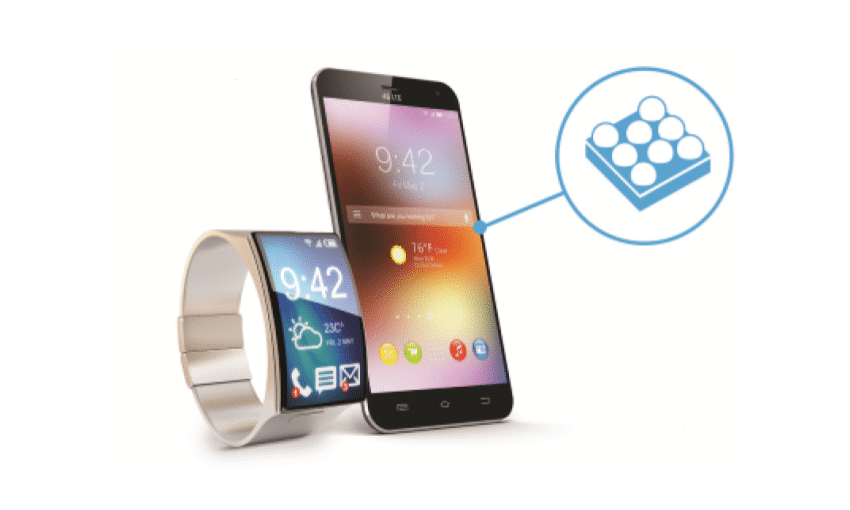
Signal drops on a prepaid eSIM often stem from network selection mismatches or local congestion. First, disable automatic network selection in your device’s cellular settings, then manually choose a different carrier from the available list, as this forces a fresh re-registration. If roaming, ensure your device isn’t clinging to a weak distant mast when a closer one is available. Toggling airplane mode for fifteen seconds can also reset the connection without a full restart. For persistent drops, switch your device’s preferred network type from 5G to 4G LTE, which provides more stable coverage in transit. On-the-go signal stability improves when you update the eSIM profile through its companion app, as carriers often refine APN parameters for mobile scenarios.
Future Trends in Disposable Mobile Connectivity
Future trends point towards disposable eSIMs becoming instant, single-use data pods embedded in everyday packaging, like a QR code on a coffee cup for a one-hour travel pass. Imagine scanning a rental car’s windshield for a temporary local plan that self-destructs after checkout. Will this kill physical SIM slots entirely? Probably not soon, but it means your next road trip might involve buying a short-term “prepaid eSIM” snack at a vending machine—no sign-up, just a tap for that weekend’s connectivity.
How 5G Enhances Flexible Tariffs
5G’s low latency empowers real-time billing, enabling prepaid eSIMs to automatically shift users between dynamic tariff tiers as data demand spikes. For example, a traveler streaming 4K video on a 5G network could instantly upgrade to a high-speed burst tariff for ten minutes, then drop back to a budget plan. This granular control eliminates wasted gigs and guesswork, making flexible tariffs feel reactive rather than rigid. Real-time network slicing further allows tariffs to morph per activity—gaming versus navigation—each with its own price and priority.
The Role of Short-Term Plans in IoT Devices
Short-term plans let you activate a prepaid eSIM in an IoT gadget for exactly as long as you need it, like a weekend sensor deployment or a month-long asset tracker. You avoid long contracts and can swap data profiles on the fly. This is perfect for devices that don’t need constant connectivity, reducing waste and cost. Burst-mode billing means you only pay for active periods, keeping budgets tight for smart agriculture or logistics.
Short-term plans give IoT devices flexible, pay-as-you-go connectivity without lock-in, ideal for temporary or seasonal uses.